Why Responsible E-waste Management Can Benefit Companies Pursue Environmental Responsibility: Sustainable Methods for Business Leaders
Electronics recycling provides a vital alternative for organizations working to boost their environmental undertakings. By addressing e-waste correctly, firms can lessen their ecological effects and obtain significant resources. Moreover, adopting these methods can enhance brand reputation with environmentally minded consumers. Still, numerous companies might overlook the challenges found within rolling out a productive waste reduction approach. Grasping these details is important for charting the path to more eco-friendly activities and securing long-lasting results.
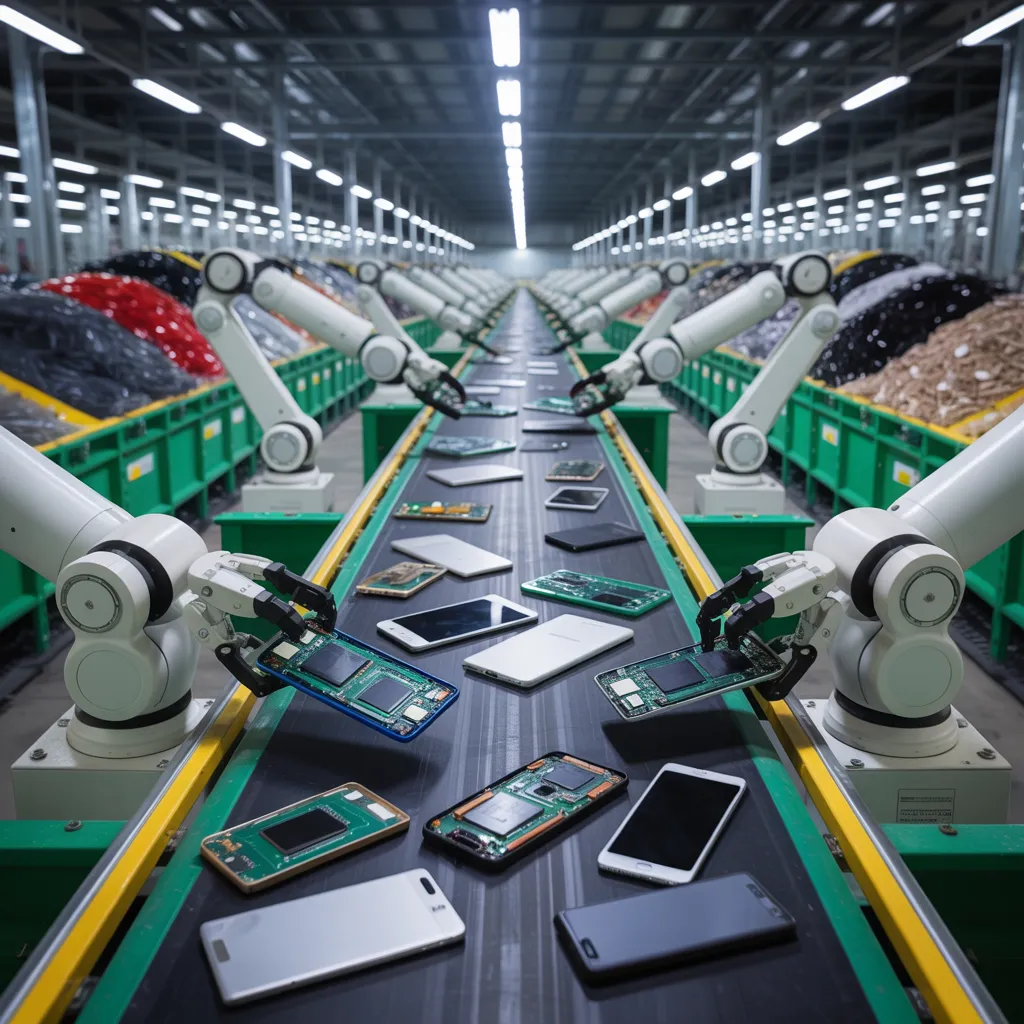
The Vital Advantages of Electronic Waste Recycling for Corporate Entities
Although many enterprises may dismiss the importance of electronics reclamation, it functions as an integral role in promoting sustainability and reducing environmental impact. As technological improvements accelerate, companies routinely modernize their electronic devices, resulting in a surging volume of e-waste. Proper recycling guarantees that valuable materials are reclaimed, reducing the demand for new resource extraction and preserving energy.
Furthermore, engaging in electronics recycling can enhance a company's reputation. Consumers increasingly support businesses committed to sustainable practices, and displaying responsibility in managing e-waste can draw environmentally minded customers. Compliance with regulations regarding electronic waste also guards businesses from potential legal liabilities and fines.
Additionally, recycling can produce financial advantages. By carefully handling outdated electronics, companies can lower waste disposal fees and obtain financial value from recyclable materials. Overall, implementing electronics recycling is not simply an ethical choice; it is a strategic business decision that matches modern sustainability goals.
How Reprocessing Electronics Lowers Environmental Impact
Electronics recycling functions as an important role in reducing environmental impact by safeguarding natural resources and minimizing e-waste contamination. By recovering important materials, this approach supports the promotion of circular economy concepts. As enterprises engage in accountable recycling, they participate to a more green future.
Preserving Natural Resources
Recycling electronics greatly contributes to the preservation of environmental assets by reclaiming precious materials. Many electronic devices contain valuable metals such as gold, silver, and palladium, view details which can be extracted and reused. This process reduces the need for mining, a energy-consuming activity that drains ecosystems and consumes considerable energy. Additionally, recycling helps recover rare earth elements essential for manufacturing new technologies. By diverting electronic waste from landfills, businesses not only lessen the environmental impact of resource extraction but also promote a circular economy. This sustainable practice allows companies to reduce their carbon footprint, lower production costs, and support environmental stewardship, ultimately fostering a healthier planet for future generations. Through responsible recycling, businesses can lead the way in conserving crucial natural resources.
Mitigating E-Waste Pollution
A significant part of worldwide waste consists of electronic devices, playing a role in increasing environmental pollution. E-waste that is disposed of improperly lets loose harmful substances including heavy metals and toxins, damaging soil and water sources. By recycling electronics, these risks are lessened as harmful components are dealt with in a safe and responsible manner. By reusing materials such as metals, plastics, and glass, recycling cuts the need for new resource extraction, leading to decreased environmental impact. Recycling schemes also assist in the responsible disposal of obsolete devices, enabling businesses to meet environmental rules. Through electronics recycling, companies reduce their carbon emissions and help a healthier ecological balance. Taking this proactive step demonstrates corporate responsibility and effectively confronts the critical challenge of e-waste pollution.
Driving Circular Economy Operations
Launching extensive electronics recycling initiatives functions as an vital cornerstone in nurturing sustainable business practices. Through handling discarded electronics, businesses can substantially reduce the demand for source materials, thereby preserving natural assets and mitigating environmental decline. Such activity supports the salvage of significant components, extending the working life of products and reducing the proportion of e-waste sent to landfills. Similarly, by taking on sustainable economic principles, entities can fortify their standing and meet consumer demand for sustainable practices. Championing responsible waste management also encourages innovation in industrial design, driving suppliers to construct devices that work better for disassembly and recycling. Fundamentally, integrating electronics recycling into business practices promotes a more sustainable future, positively impacting both the natural world and the commercial sector.
Top Advantages of Electronics Disposal for Organizations
Electronics reprocessing offers major benefits for businesses, chiefly through expense reduction and environmental impact reduction. By properly handling obsolete devices, organizations can lower waste fees and extract valuable materials. Moreover, adopting waste management solutions strengthens corporate responsibility and encourages green initiatives.
Budget Savings Chances
Many businesses are discovering significant cost savings through efficient electronics recycling practices. By implementing these programs, companies can reduce disposal fees associated with e-waste, as recycling often costs less than landfill disposal. Beyond that, precious materials recovered from old electronics can be resold, yielding revenue and offsetting replacement costs. Optimized recycling approaches also minimize storage costs for aged equipment, opening valuable office space. Furthermore, several organizations benefit from tax incentives related to eco-friendly practices, adding another layer of financial advantage. In conclusion, embracing electronics recycling not only advances corporate responsibility but also fosters economic efficiency, enabling businesses to distribute resources more wisely and strengthen their bottom line.
Environmental Footprint Mitigation
A considerable decrease in ecological impact is one of the fundamental advantages enterprises enjoy when they establish comprehensive electronics waste management. By refurbishing discarded devices, institutions can curb hazardous materials, such as toxic elements and harmful substances, that can pollute terrestrial and marine environments. This not only plays a role in protecting natural reserves but also lowers the emissions footprint caused by constructing new devices. Additionally, handling reduces energy consumption, as it often requires reduced operational energy to work with reclaimed materials than to obtain and refine raw material supplies. As bodies execute these approaches, they advance circular business models, fostering ecological conservation and responsibility. Ultimately, responsible waste management permits entities to bolster environmental standing while serving the environment.
How to Build a Thriving Electronics Disposal Approach
Creating a effective e-waste recycling plan requires careful preparation and execution. Businesses should begin by assessing their current electronic waste management practices to pinpoint areas for improvement. This evaluation should encompass an catalog of outdated equipment and an evaluation of disposal approaches.
Next, companies must establish distinct objectives for their recycling efforts, which could include reducing waste, improving recycling percentages, or boosting environmental initiatives. Engaging employees through educational workshops fosters a commitment to ecological stewardship and promotes involvement in recycling initiatives.
Additionally, developing a schedule and budget is vital for monitoring progress and guaranteeing resources are assigned efficiently. Regularly assessing and updating the strategy based on feedback and changing regulations helps maintain compliance and effectiveness. By combining these elements, companies can develop a strong electronics recycling strategy that not only helps the environment but also advances corporate accountability and enhances their sustainable image.
Guidelines for Selecting the Ideal Electronics Recycling Companion
How can a company guarantee its electronics recycling vendor complies with its environmental objectives? Choosing the appropriate recycling partner requires thorough evaluation of their practices and certifications. Companies should seek vendors who possess recognized certifications, such as R2 or e-Stewards, which confirm adherence with sustainability standards.
Additionally, organizations should question about the partner recycling processes, involving the ways to manage hazardous materials and the amount of recycled materials relative to those directed to landfills. Transparency in data reporting and management procedures is also imperative.
Additionally, a solid standing in the industry can showcase trustworthiness; businesses may profit from reviews and testimonials from other clients. Participating in transparent communication about sustainability goals will help guarantee coordination. Ultimately, selecting a partner committed to responsible waste management can greatly enhance a corporation's overall environmental programs.
Exposing Common Misconceptions Surrounding Electronics Recycling
Many companies understand the necessity of electronics recycling, but numerous myths continue that can impede effective practices. A common misconception is that all electronics can be discarded in common recycling bins. Actually, dedicated facilities are required to handle electronic waste safely. Another myth states that recycling electronics is too high-priced for businesses. In reality, a variety of recycling programs provide free or low-cost services that can in the end save companies money by decreasing waste disposal fees. Additionally, some believe that data security concerns make recycling too risky. However, reputable recycling partners supply certified data destruction services, guaranteeing sensitive information is properly handled. Lastly, there is a perception that recycling electronics has minimal environmental impact. In truth, proper recycling greatly reduces e-waste in landfills and preserves valuable resources. Debunking these myths is important for businesses trying to adopt sustainable practices and support the environment.
Tracking Your Electronics Recycling Success
Businesses that effectively debunk misconceptions about electronics recycling often find themselves enthusiastic to assess their progress. Tracking KPIs is essential for evaluating the effectiveness of recycling initiatives. Measurements such as the volume of e-waste recycled, the share of materials retrieved, and cost savings can supply significant data.
Moreover, organizations should evaluate their carbon footprint reduction and compliance to sustainability requirements. Involving workers through awareness programs can also be tracked by engagement levels in recycling programs.
Considering customer responses can better develop understanding of the recycling program's consequences. Ongoing audits and communication on these metrics not only highlight positive outcomes but also identify zones needing development.
Ultimately, a systematic method to measuring electronics recycling success allows businesses to make data-driven decisions, cultivating a culture of sustainability that advantages both the environment and the organization.
Common Questions Asked Often
Which Types of E-Waste Are Suitable for Recycling?
Numerous types of electronics can be recycled, encompassing computers, smartphones, tablets, televisions, printers, and gaming consoles. These items often contain important resources that can be reused, reducing waste and promoting environmental stewardship.
How Regularly Should Businesses Upgrade Their Electronics?
Companies should properly dispose of their electronics minimally once yearly, or more frequently based on system updates and hardware replacement. Routine recycling efforts assures effective resource stewardship and compliance with sustainability requirements, promoting sustainability within the organization.
What Costs Are Involved With Electronics Recycling?
Yes, there are charges linked to electronics recycling, such as collection, transportation, and processing costs. However, these charges can be offset by possible gains from decreased waste disposal and compliance with environmental standards.
May Recycling Electronics Result in Data Confidentiality Risks?
Yes, recycling electronics can lead to data security risks if proper procedures are not kept. Sensitive information may be carelessly revealed during the recycling process, demonstrating the importance of secure data destruction methods before disposal.
What Qualifications Should Your Recycling Partner Maintain?
A trustworthy environmental partner should possess licenses such as R2, e-Stewards, and ISO 14001. These credentials guarantee compliance with environmental standards, data protection protocols, and ethical disposal methods, securing both the environment and private records.