E-Waste Disposal: Everything You Need to Know About Safe Recycling
E-waste management is an urgent matter that has significant consequences for the environment and human health. As technology advances, the volume of electronic waste keeps increasing. Improper disposal can lead to harmful contaminants leaching into ecosystems. Understanding the importance of responsible recycling practices is essential. This overview will investigate efficient strategies for addressing e-waste and emphasize the vital measures people can adopt to make certain their devices are handled in a safe and sustainable manner.
Understanding E-Waste: What It Is and Why It Matters
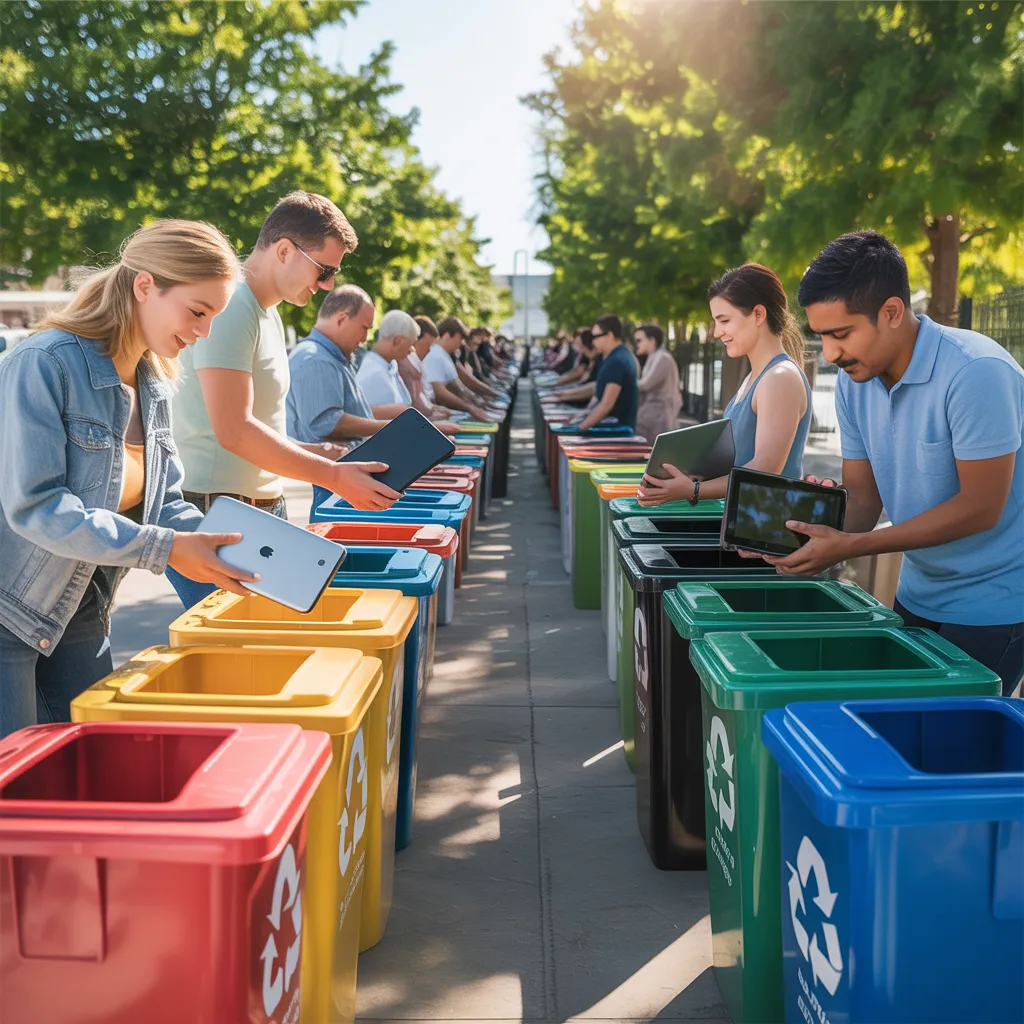
Electronic waste, commonly referred to as e-waste, covers thrown-away electrical and electronic products, including computers, smartphones, and TV sets. The swift progress of technology has resulted in a dramatic increase in e-waste generation, turning it into a pressing environmental concern. Each year, millions of tons of e-waste are produced worldwide, frequently finding their way into landfills or being handled incorrectly. Such waste harbors valuable components, like gold, silver, and rare earth elements, that are suitable for recycling. Nevertheless, mismanagement of e-waste can result in the discharge of toxic materials into the surrounding environment. Understanding e-waste is essential for promoting responsible disposal practices and recycling efforts. Consumers, businesses, and governments all play a role in mitigating the impacts of e-waste, emphasizing the need for awareness and action. Proper handling of e-waste not only preserves valuable resources but also promotes sustainable growth and alleviates pressure on landfills.
The Risks to the Environment and Health from Improper E-Waste Disposal
Inappropriate disposal of e-waste creates considerable environmental and health dangers that are commonly ignored. Toxic substances such as lead, mercury, and cadmium are commonly found in e-waste and can leach into soil and water supplies, contaminating ecosystems and endangering wildlife. These hazardous materials can accumulate in the food chain, posing serious risks to human health.
Beyond damage to the environment, exposure to e-waste toxins can result in various health concerns, including neurological disorders, respiratory problems, and even cancerous conditions. Individuals participating in unregulated recycling operations are especially susceptible, frequently without protective gear and proper training.
The combined impact of the improper disposal of e-waste reaches further than immediate health concerns, contributing to long-term environmental issues such as environmental pollution and the loss of biodiversity. As the use of electronic devices continues to grow, the urgency of tackling these concerns becomes increasingly critical for both human and environmental well-being.
Best Practices for E-Waste Recycling
Proper e-waste recycling relies on appropriate sorting methods, which guarantee that materials are separated according to their recyclability. Utilizing certified recycling facilities further enhances the process, since these facilities comply with environmental standards and safety regulations. Combined, these best practices support a more sustainable method of electronic waste management.
Effective Sorting Strategies
A substantial portion of electronic waste can be effectively sorted to boost recycling efficiency and minimize environmental impact. Effective sorting methods involve categorizing e-waste into separate categories based on material makeup, such as plastics, glass, and metals. This practice not only streamlines the recycling process but also guarantees that hazardous materials, like mercury and lead, are processed with care. Additionally, categorizing devices by their kind—such as computers, smartphones, and appliances—enables specialized handling techniques suitable for each category. Implementing these sorting strategies can significantly enhance recovery rates of valuable resources, decrease landfill waste, and lower the risks associated with improper disposal. In summary, proper categorization is critical to sustainable e-waste management and responsible recycling practices.
Licensed Recycling Facilities
Sorting e-waste is merely the first step in a complete recycling strategy. The following phase involves using accredited recycling centers, which adhere to strict guidelines for eco-friendly processing. These facilities ensure that hazardous materials, such as lead and mercury, are handled responsibly, reducing the risk of environmental harm. Certification typically includes criteria defined by organizations like e-Stewards and R2 (Responsible Recycling), which support sustainable recycling approaches. By opting for certified facilities, individuals can confirm that their e-waste is handled appropriately, with useful materials reclaimed and dangerous materials eliminated safely. This not only supports sustainable practices but also supports the recycling-based economy, emphasizing the value of proper electronic waste management in the current tech-focused era.
How to Prepare Your Devices for Responsible Recycling
Readying electronic devices for conscientious recycling entails several essential steps that guarantee data security and environmental safety. Initially, users should secure important data and then perform a factory reset on their devices to remove personal information. This confirms that sensitive data is unable to be recovered by unauthorized individuals. Following this, it is necessary to remove any batteries or accessories, as these elements may call for special handling.
After that, device owners should wipe down the devices to eliminate any personal identifiers, such as stickers or labels. Lastly, individuals should collect all required cables and original packaging, if accessible, to facilitate the recycling process. By implementing these measures, the likelihood of data breaches is reduced, and the devices are prepared for responsible recycling, ultimately contributing to a more sustainable environment. Following these precautions encourages safe e-waste disposal practices.
Finding E-Waste Recycling Centers Near You
How can individuals locate trustworthy e-waste recycling centers near them? An efficient strategy is to take advantage of digital tools created with this goal in mind. Websites such as Earth911 and the e-Stewards Directory allow users to search for nearby recycling centers by providing their zip code. Furthermore, several city governments provide information on designated e-waste drop-off locations through their official websites or waste management departments. Local electronics retailers commonly take part in waste reduction programs, organizing drop-off events or providing in-store collection. Civic groups and charitable organizations sometimes organize electronic waste collection events periodically, providing an accessible option for local inhabitants. Moreover, checking with nearby eco-friendly organizations can offer useful guidance into nearby facilities and best practices. By examining these resources, individuals can guarantee they properly handle their e-waste while contributing to environmental sustainability.
How Can Consumers Advocate for Sustainable E-Waste Practices?
Locating dependable e-waste recycling facilities is merely the beginning of fostering sustainable habits. People can proactively support proper e-waste management by raising their own awareness and that of others regarding the environmental risks of irresponsible disposal. Sharing information through social media platforms, community forums, or local events can raise awareness and encourage responsible behavior among peers.
Moreover, individuals can support organizations that focus on sustainable practices, Read on such as those implementing recycling programs or employing environmentally friendly components. Connecting with local government officials to support legislation intended to strengthening e-waste recycling initiatives additionally reinforces sustainability campaigns.
Participating in or establishing community groups committed to addressing e-waste issues can amplify voices demanding change. Additionally, consumers can engage with e-waste collection events, contributing directly to the movement for environmentally conscious disposal practices. By taking these steps, individuals play an essential role in building a foundation of environmental responsibility and sustainability concerning electronic waste.
Questions We Often Receive
Which Types of Electronic Devices Count as E-Waste?
Electronic waste refers to unwanted electronic equipment for example smartphones, computers, printers, televisions, and household appliances. These products commonly include harmful substances, making careful recycling and proper disposal vital for environmental safety and public health.
Can E-Waste Be Recycled Through Conventional Garbage Services?
Recycling e-waste through regular garbage services is generally not advisable. Numerous local governments have established rules mandating that e-waste be taken to approved recycling facilities to avoid environmental damage and ensure safe management of hazardous components.
Do E-Waste Recycling Services Come With Fees?
Indeed, there may be fees associated with e-waste recycling. Many facilities charge for certain items or services, while a number of local municipalities offer no-cost programs. It is advisable for individuals to investigate options to grasp potential expenses before recycling.
How Does Secure Data Wiping Work on Devices Before Recycling?
Data is thoroughly erased from devices using specialized software that overwrites existing information multiple times, ensuring total data removal. In addition, physical destruction of storage components can also be utilized to prevent data recovery before recycling.
What Takes Place With E-Waste After the Recycling Process?
Following the recycling process, e-waste undergoes processing and separation into essential elements like metals, plastics, and glass. These recovered resources are then redirected for producing new goods, thereby minimizing environmental impact and conserving natural resources.